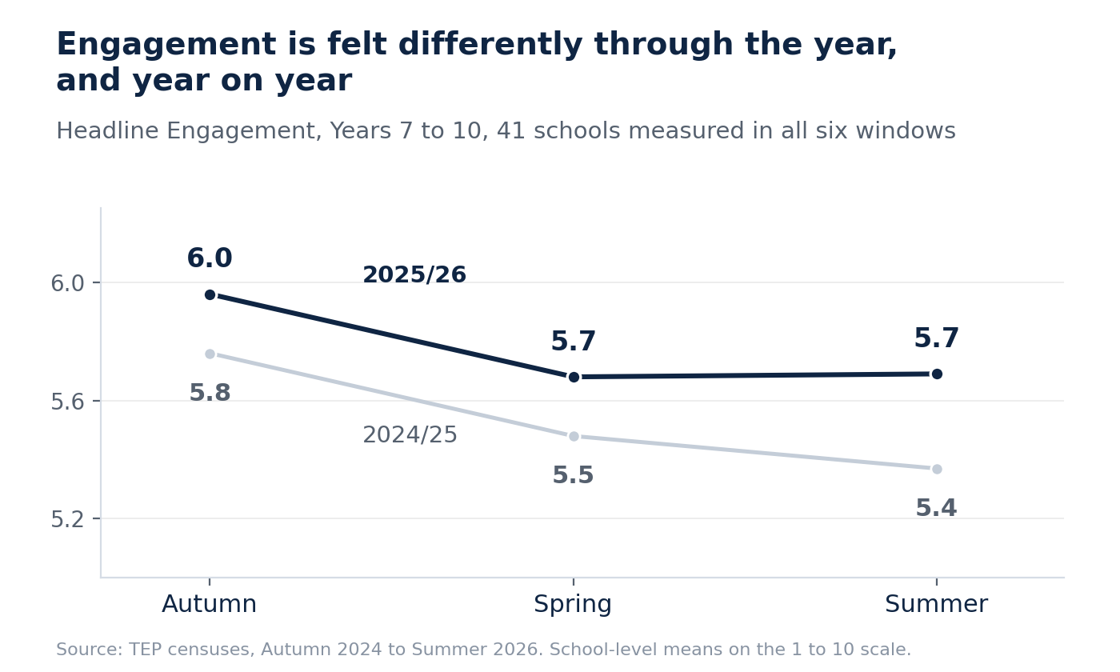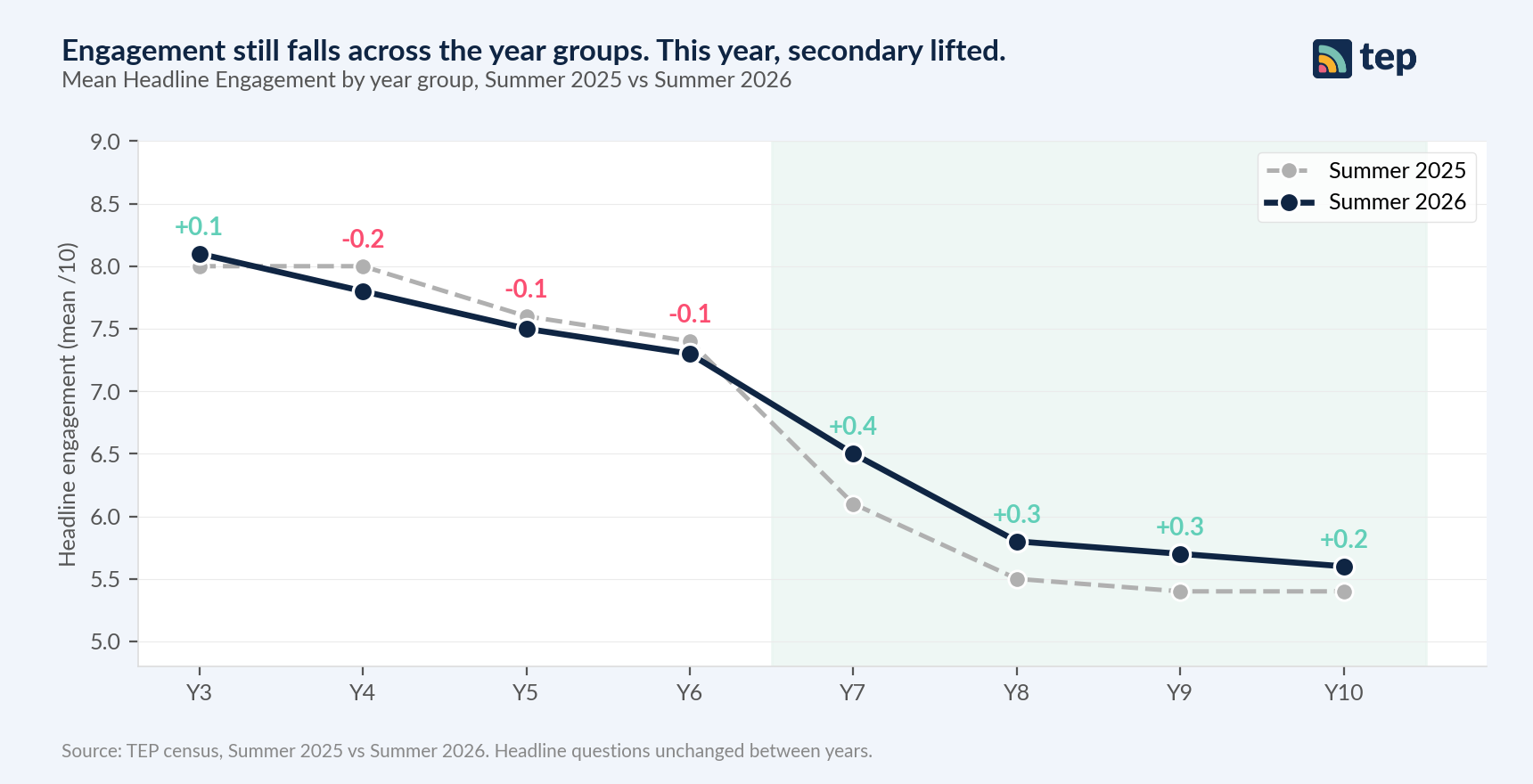






Boards help to shape some of the most consequential decisions in schools and trusts. Their knowledge and judgements are determined largely by the evidence they receive from leaders, the honesty of the conversations around the table, and the strength of their relationship with leaders – rather than direct experience of the day-to-day realities those decisions shape.
TEP’s first Leadership and Governance census, analysed by Professor John Jerrim at UCL IOE, looks directly at this relationship between board perspective and the daily reality of school life. The study brings board confidence, executive experience, and pupil and employee engagement data into the same frame, examining how governance is experienced from inside the boardroom and how far that view aligns with what pupils and employees report.
As a Chair of Governors, that is why this report resonated with me. The role of the board is not to know everything happening in every classroom, corridor or staffroom. It is to make sure the board has the evidence, routines and relationships it needs to ask the right questions.
What the report looked at
The census gathered responses from 832 governors, trustees, chairs, school leaders and executives across 140 schools and central trust teams. The survey ran in April 2026 and measured experience across 13 key measures, using a 0 to 10 agreement scale.
These are first findings from a pilot cohort. They should be read in that spirit: not as a final verdict on governance, but as an early benchmark for a part of the system that has had too little quantitative attention.
Finding 1. Boards believe pupils and employees are faring better than they say they are
A headline finding is that boards often see pupil and employee experience more positively than the reality of what pupils and employees say themselves.
Boards were asked to predict how pupils in their own school would respond to the statement, “I feel safe at this school”. They were generally good at recognising whether their school was stronger or weaker than others but still tended to overestimate how safe pupils felt in their own school. CEOs and executives, closer to daily school life, predicted pupil responses much more accurately.
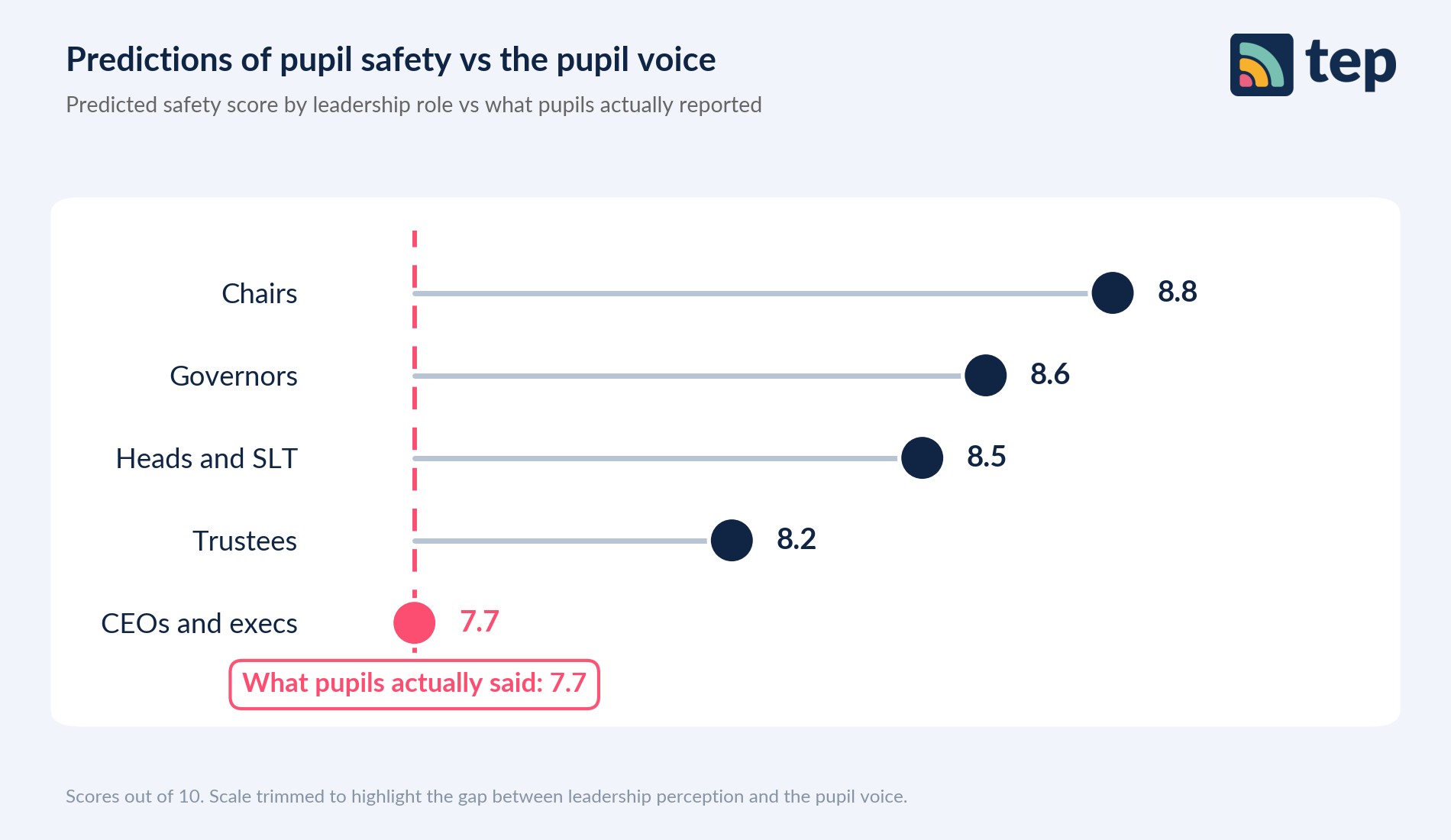
Figure 1. Predicted safety score by leadership role vs what pupils actually reported.
The same pattern appeared in secondary workload. Governors believed employees in their school had a more acceptable workload than employees elsewhere, while employee responses suggested the opposite.
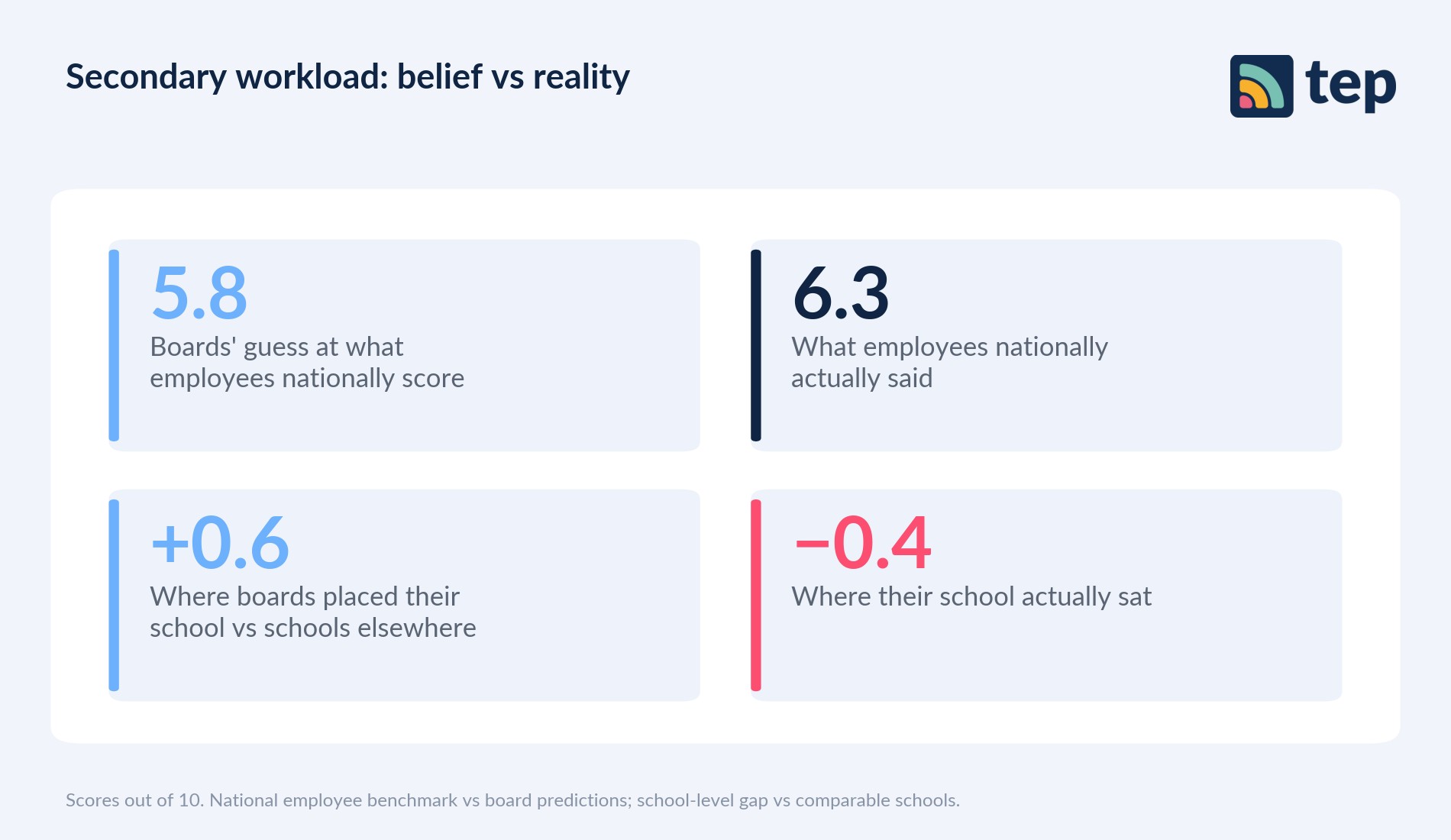
Figure 2. National employee benchmark vs board predictions; school-level gap vs comparable schools.
As perceptions shape priorities, if governors believe pupils feel safer than they do, or assume workload is worse everywhere else, important issues can be normalised or slip down the agenda. Boards need evidence that tests those assumptions, shows where blind spots may sit, and checks whether confidence in the boardroom matches lived experience in the school.
For boards, the practical questions are: what evidence do we currently use to understand pupil and employee experience, where might we be relying on assumptions, and how would we know if our confidence is misplaced?
Finding 2. Executives are least reassured on the risks they would have to manage
The next gap sits inside the leadership and governance relationship itself. Succession planning and diversity were among the lowest-scoring areas in the survey. In both cases, CEOs and executives were less assured than chairs, trustees and governors. They were less confident that their organisation could cope if a key leader left suddenly, and less convinced that boards prioritise diversity when difficult trade-offs are required.
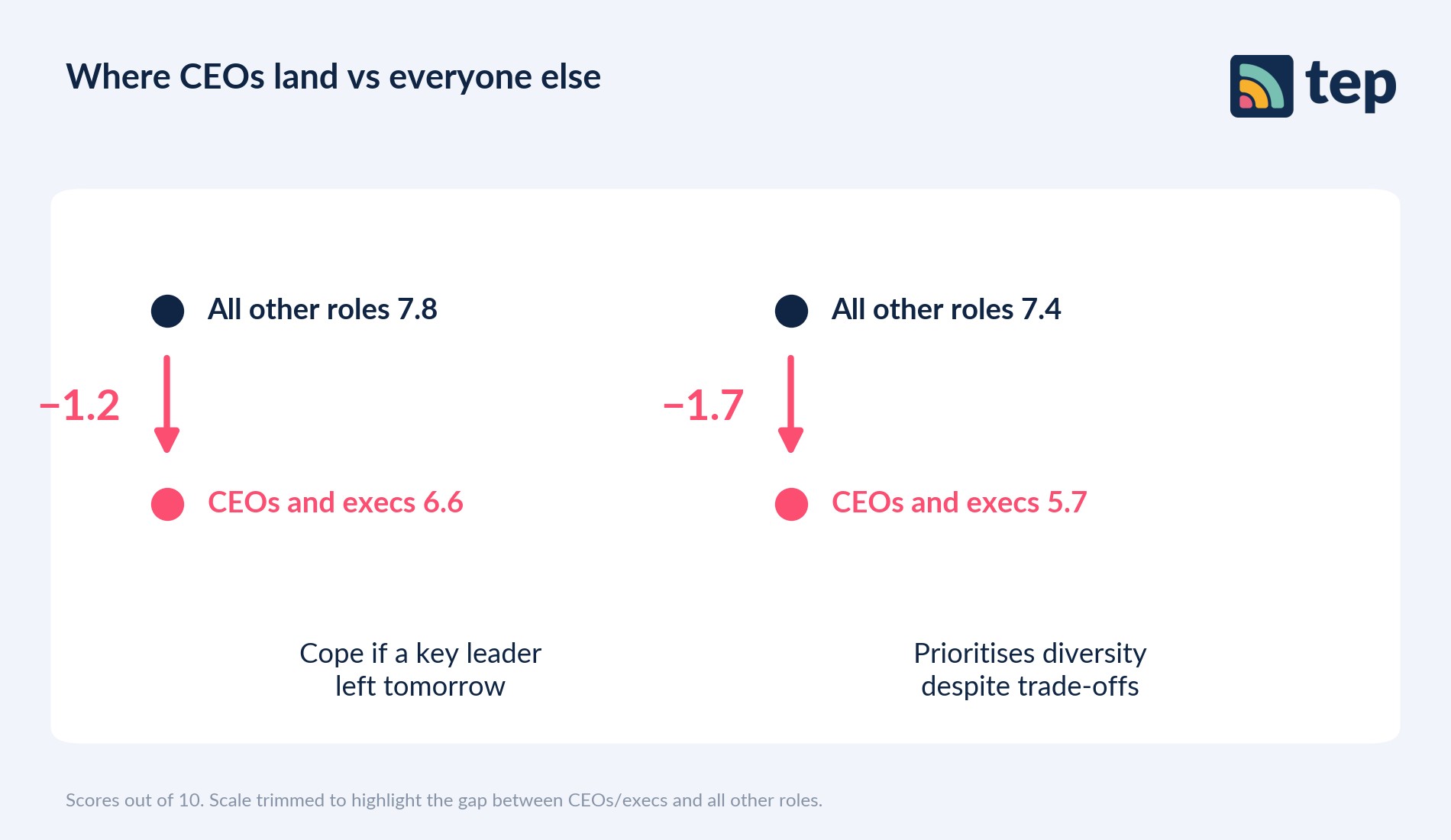
Figure 3. Average scores for CEOs and executives vs all other roles, on succession cover and prioritising diversity.
These areas in particular are the risks which executives manage: a sudden resignation, a stretched leadership pipeline, or a commitment to diversity becoming harder when budgets tighten. Where those closest to the consequences feel least reassured, boards should pause.
The gap does not mean oversight is weak, it means boards should ask: are the risks leaders are carrying are visible enough, understood clearly enough, and being met with the right mix of support and challenge?
Finding 3. Finance and regulation expose a confidence gap between men and women
Boards reported very high confidence in safeguarding, with little difference between men and women. That is reassuring, given safeguarding is one of the board’s most fundamental responsibilities.
The picture was different for financial, regulatory and reputational risk. Confidence was lower overall, and men rated their understanding of financial and regulatory risk higher than women did.
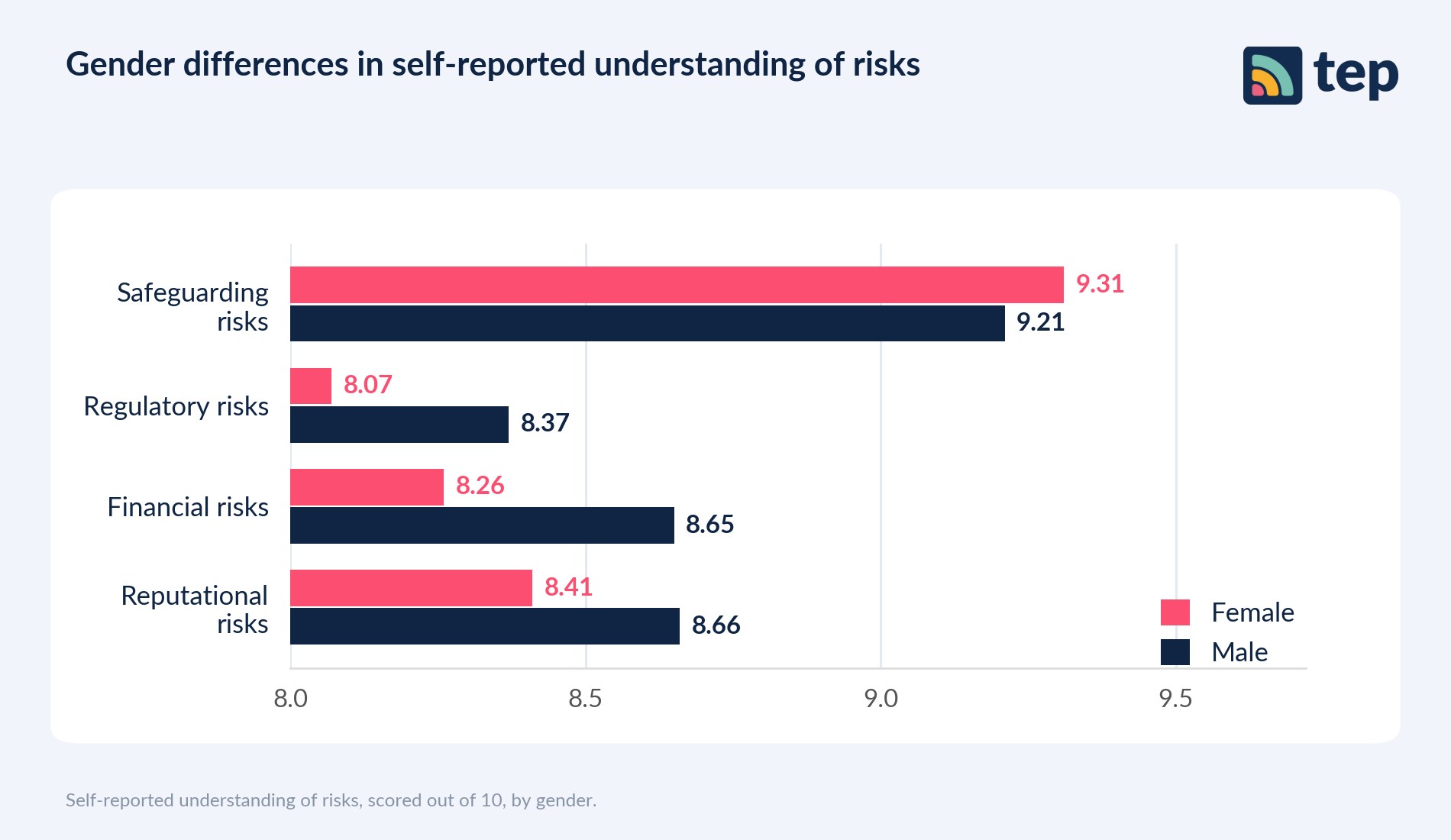
Figure 4. Self reported understanding of risks, scored out of 10, by gender.
That gap should be handled carefully; higher confidence does not always mean stronger understanding. It may instead reflect a more honest view of what is not yet known, or where the board needs stronger evidence.
For boards, the practical questions are: Where does confidence come from, and is it backed by shared evidence? Is understanding of financial, regulatory and reputational risk held across the board, or concentrated in a small number of people? And where some members feel less confident, what support would enable them to engage fully in the discussion?
Finding 4. Primary governance is more positive, reflecting wider phase patterns
One of the strongest patterns was a phase gap. Primary leaders rated their governance experience more positively than secondary leaders across every measure. Primary governors showed the same pattern, though the gap was smaller.
.jpg)
Figure 5. Overall satisfaction with governance, scored out of 10.
This mirrors TEP’s wider pupil and employee engagement data, where primary schools typically report a stronger engagement picture than secondary schools. That suggests the governance gap may not be only about board practice but reflect a wider school-community pattern.
But that does not make it unactionable. For secondary boards, the largest gaps sit in decision-making and how meetings are run. Those are things boards can review directly.
For secondary boards, the practical questions are: Are governors brought into decisions at the right time? Are meetings focused on strategic discussion rather than updates? And do papers make the key choices clear?
Finding 5. Good governance is grown, not just recruited
One wider pattern also appeared across the report: confidence increases with time served. Newer governors and trustees tended to feel less assured, while longer-serving members reported stronger engagement, confidence and agency.
.png)
Figure 6. Average self-reported understanding score, out of 10, by length of tenure in role.
That matters for board development. Recruitment is important, particularly where boards need broader representation, expertise or lived experience. But good governance is not only recruited. It is grown through induction, context and development over time.
For boards, the practical questions are: How well are new members supported beyond their first meeting? Where might confidence depend too heavily on longer-serving members? And how does the board balance organisational memory with fresh perspective?
What this means for boards
The value of this work is in the questions it helps boards reflect on. The report gives boards a way to check what they think they know against what pupils, employees and leaders are reporting. It’s not a judgement of boards themselves, but a prompt for better evidence, sharper questions and more honest conversations.
These are early findings from a pilot cohort, and we will continue to build this evidence base with the sector.